
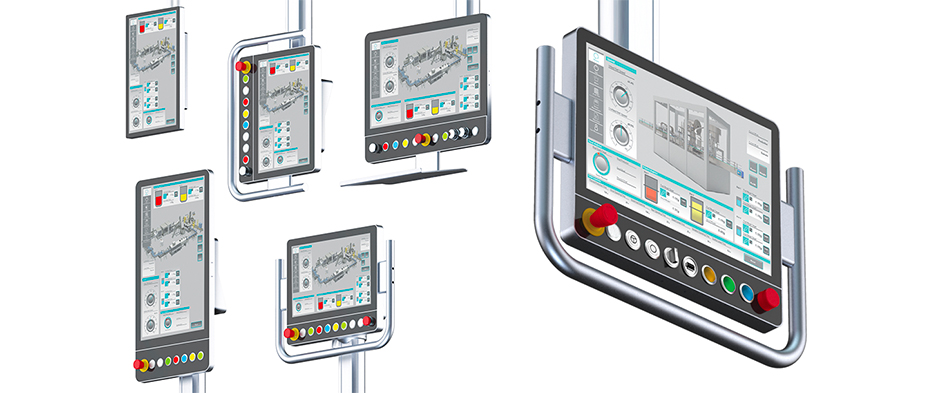
ESA Lumia ARM: edgeHMI and webHMI Solutions with Integrated Cable Routing and UL Certification
Mit dem exponentiellen Datenwachstum in der Industrie 4.0 stoßen herkömmliche elektronische Chips an physikalische Grenzen – Wärme, Energieverbrauch, Latenz. In diesem Zusammenhang rücken optische Computer, die Informationen mit Licht statt mit Elektrizität verarbeiten, zunehmend in den Fokus.
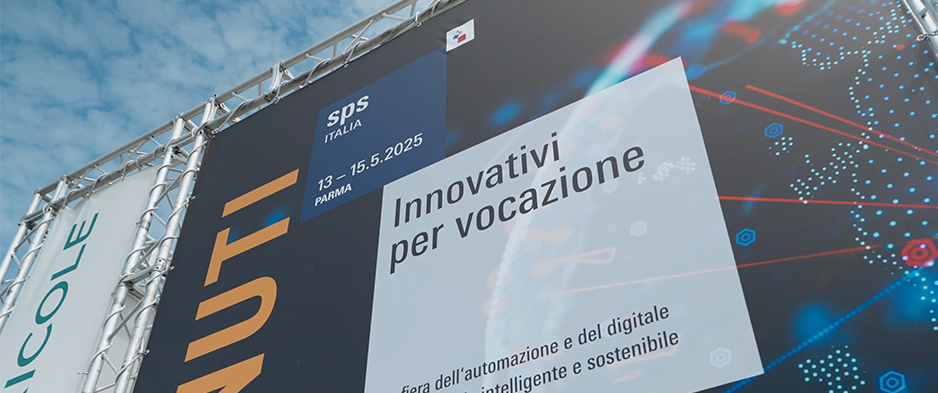
SPS Italy 2025: post-event report
Mit dem exponentiellen Datenwachstum in der Industrie 4.0 stoßen herkömmliche elektronische Chips an physikalische Grenzen – Wärme, Energieverbrauch, Latenz. In diesem Zusammenhang rücken optische Computer, die Informationen mit Licht statt mit Elektrizität verarbeiten, zunehmend in den Fokus.
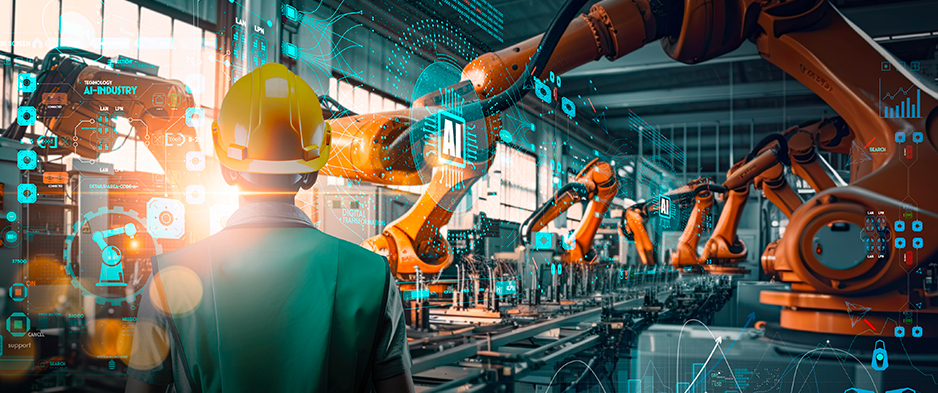
AI and Edge Computing to Improve Efficiency in Production Processes
Mit dem exponentiellen Datenwachstum in der Industrie 4.0 stoßen herkömmliche elektronische Chips an physikalische Grenzen – Wärme, Energieverbrauch, Latenz. In diesem Zusammenhang rücken optische Computer, die Informationen mit Licht statt mit Elektrizität verarbeiten, zunehmend in den Fokus.

Optische Computer: Perspektiven für die Zukunft
Mit dem exponentiellen Datenwachstum in der Industrie 4.0 stoßen herkömmliche elektronische Chips an physikalische Grenzen – Wärme, Energieverbrauch, Latenz. In diesem Zusammenhang rücken optische Computer, die Informationen mit Licht statt mit Elektrizität verarbeiten, zunehmend in den Fokus.
The Advantages of Integrating Edge Computing and IIoT
(EN) The integration of Edge Computing and IIoT is revolutionizing the manufacturing sector, enabling faster and more secure data processing directly at the point of operation, while improving efficiency. This way, businesses can optimize processes and predictive maintenance, reduce operational costs, and increase competitiveness in the global market. The result is smarter, more flexible, and interconnected production environments, capable of supporting the transition to Industry 5.0.
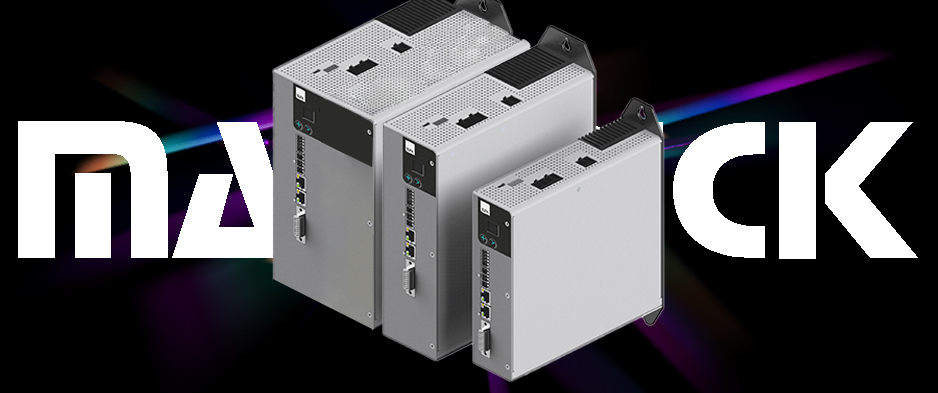
Maverick: ESA’s New Single-Axis Servo Drives
(EN) ESA introduces the new generation of Maverick single-axis servo drives, designed to meet the demands of Industry 5.0. Combining compactness, power, and versatility, this product is engineered to deliver high performance, maximum reliability, and advanced control for industrial machinery.

Cyber Resilience Act: safeguarding Europe’s Digital Assets
(EN) The European Union’s Cyber Resilience Act introduces stricter cybersecurity requirements for all products with digital elements, mandating protective measures throughout their entire lifecycle. Given the complexity of the new regulatory framework, this article provides a clear and structured overview of the main obligations and implications for businesses.
SPS Italia 2025: previews from the Industrial Automation Fair in Parma
(EN) From 13 to 15 May 2025, SPS Italia, the leading trade fair for the Italian manufacturing industry, will return to Parma. The event is dedicated to technological innovation, process digitalization, and the transition toward a more sustainable industrial model. Among the main themes anticipated for the 2025 edition are artificial intelligence, cybersecurity, and solutions for increasingly connected and efficient production systems.
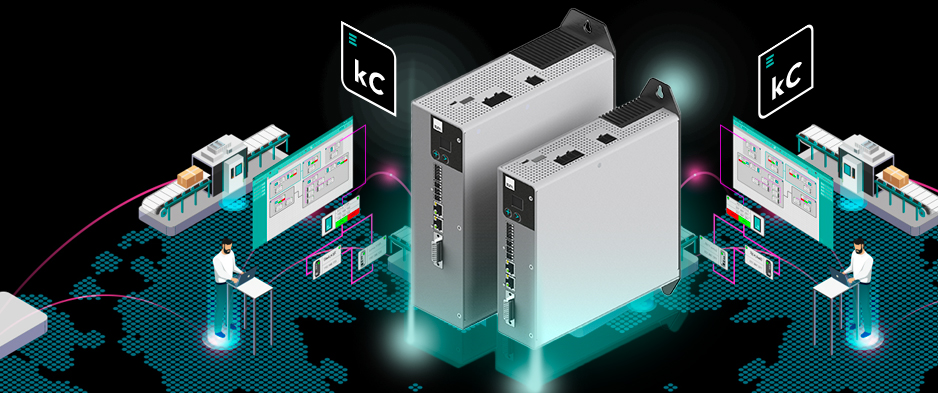
Latest Industrial Automation Solutions by ESA
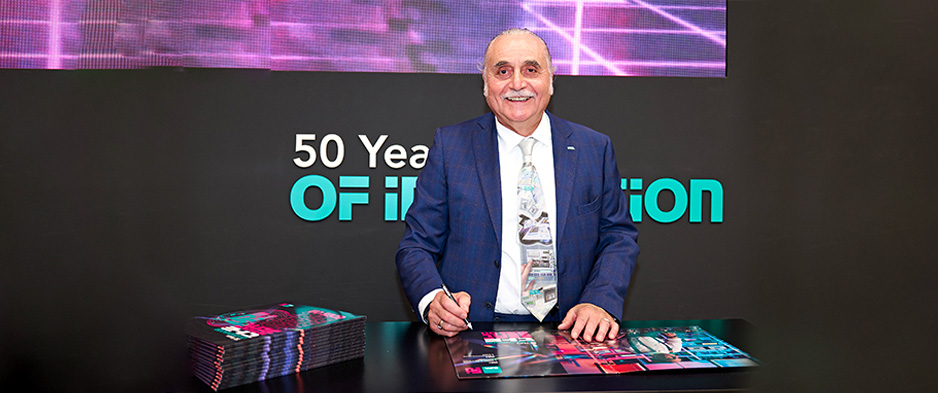
(EN) Esa Automation & Robotics celebrates its 50th birthday and what better way to do it than by presenting a range of new innovative hardware and software solutions? Technological innovation has always been the driving force of the company, as demonstrated by the latest products launched on the market.